🏔️
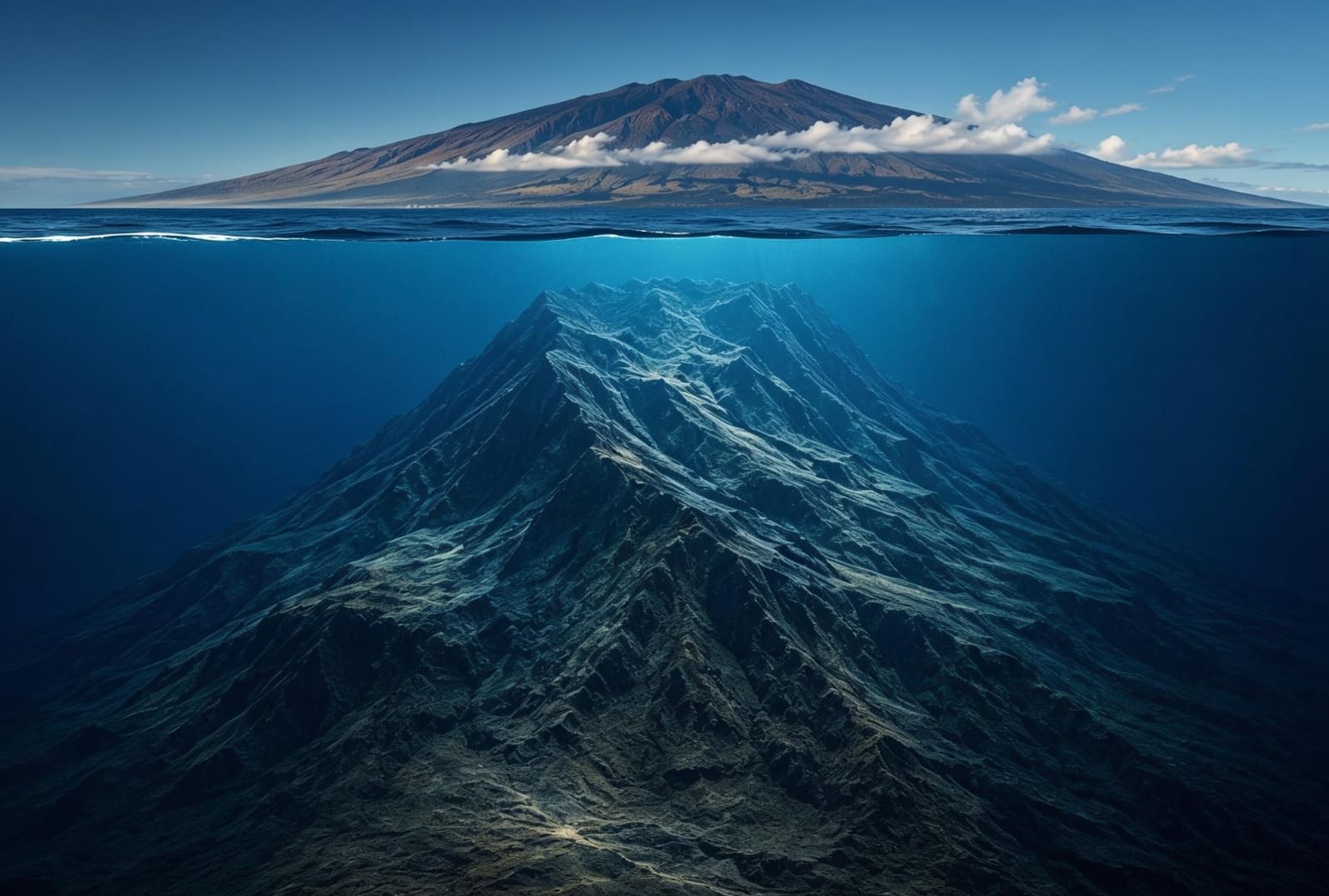
Highest Mountain
Mauna Kea is taller than Everest when measured from the seabed.

Play this sound?
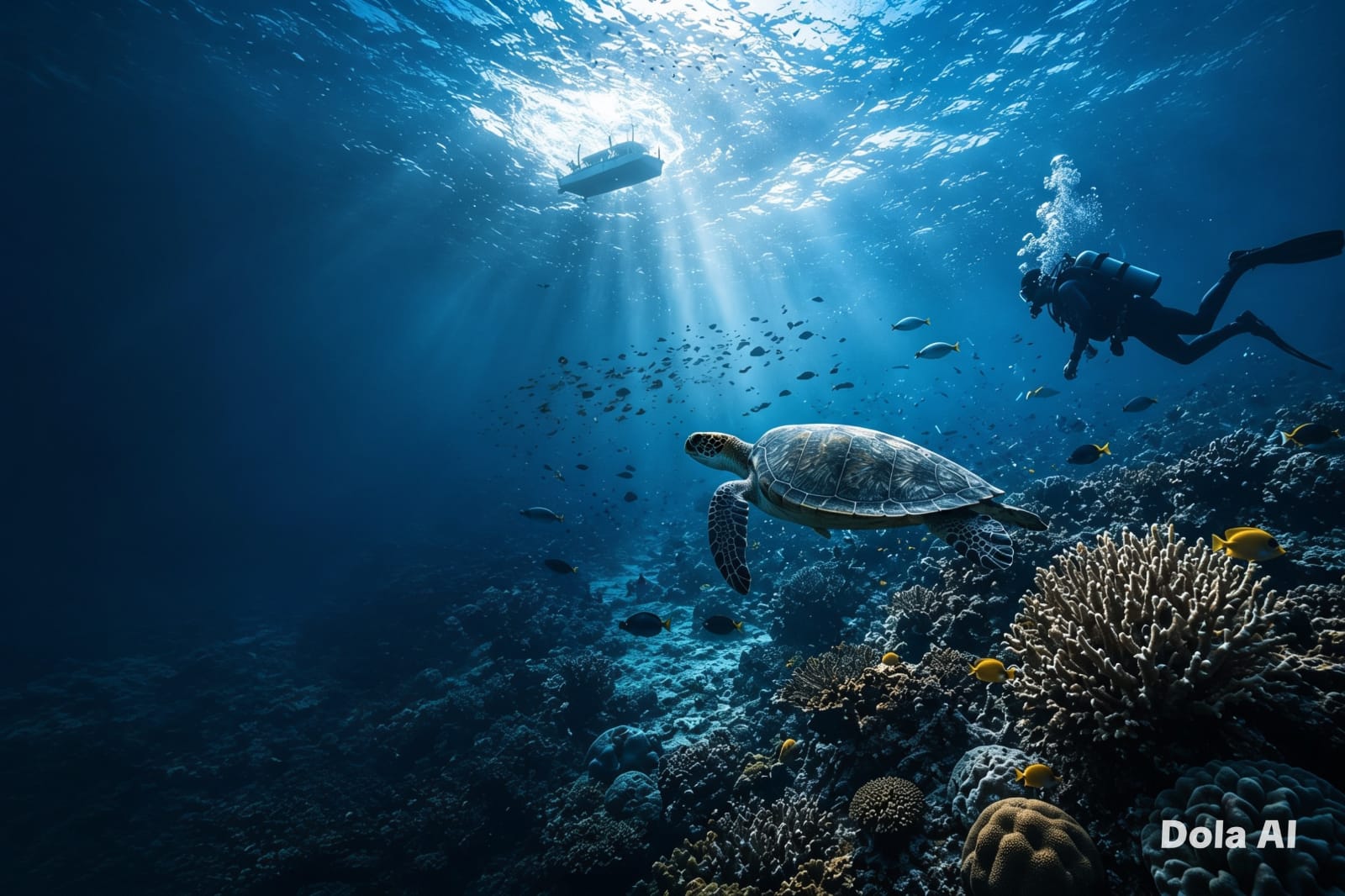
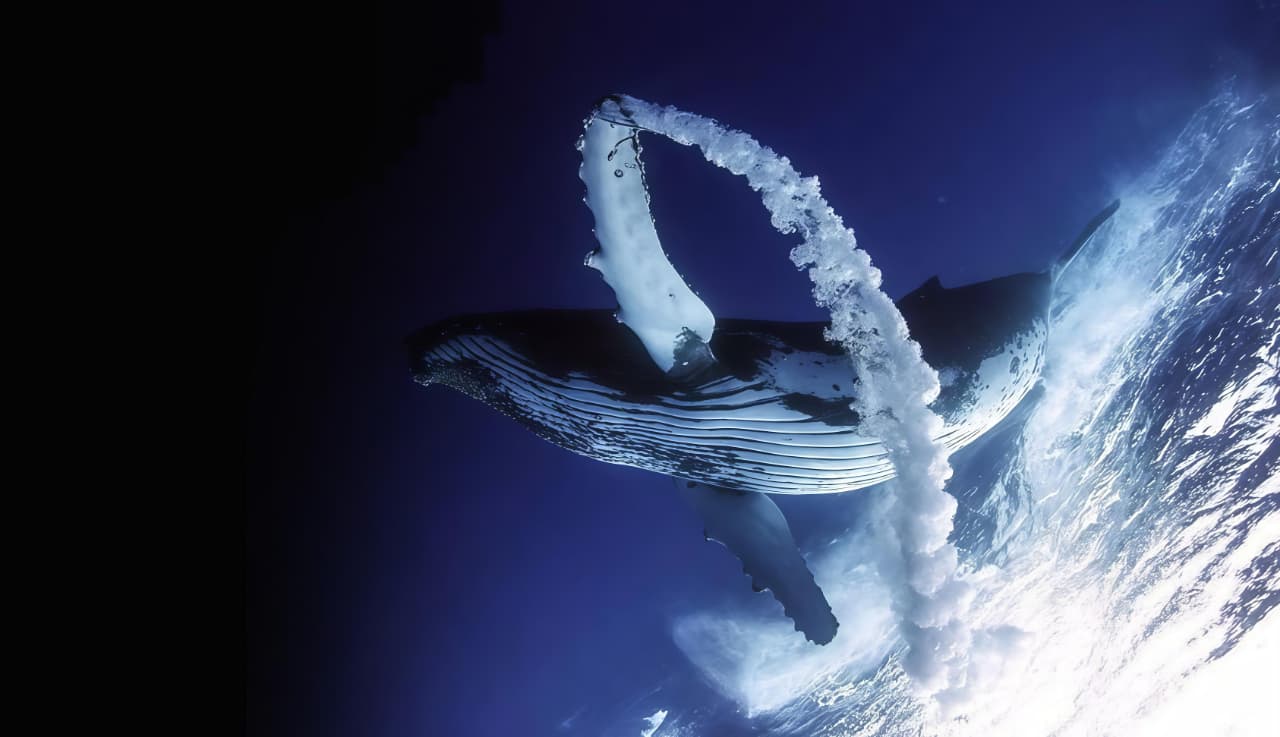
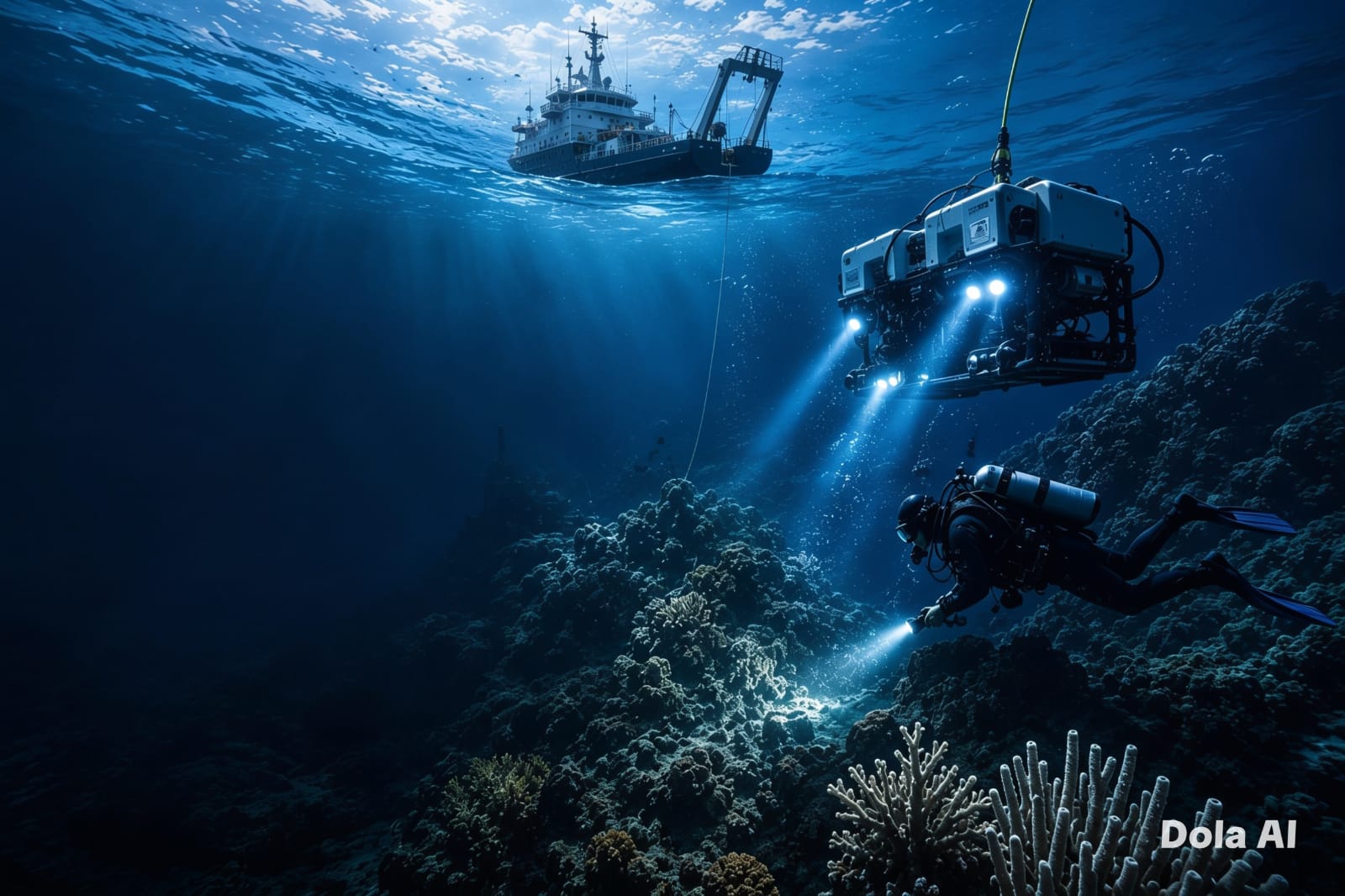
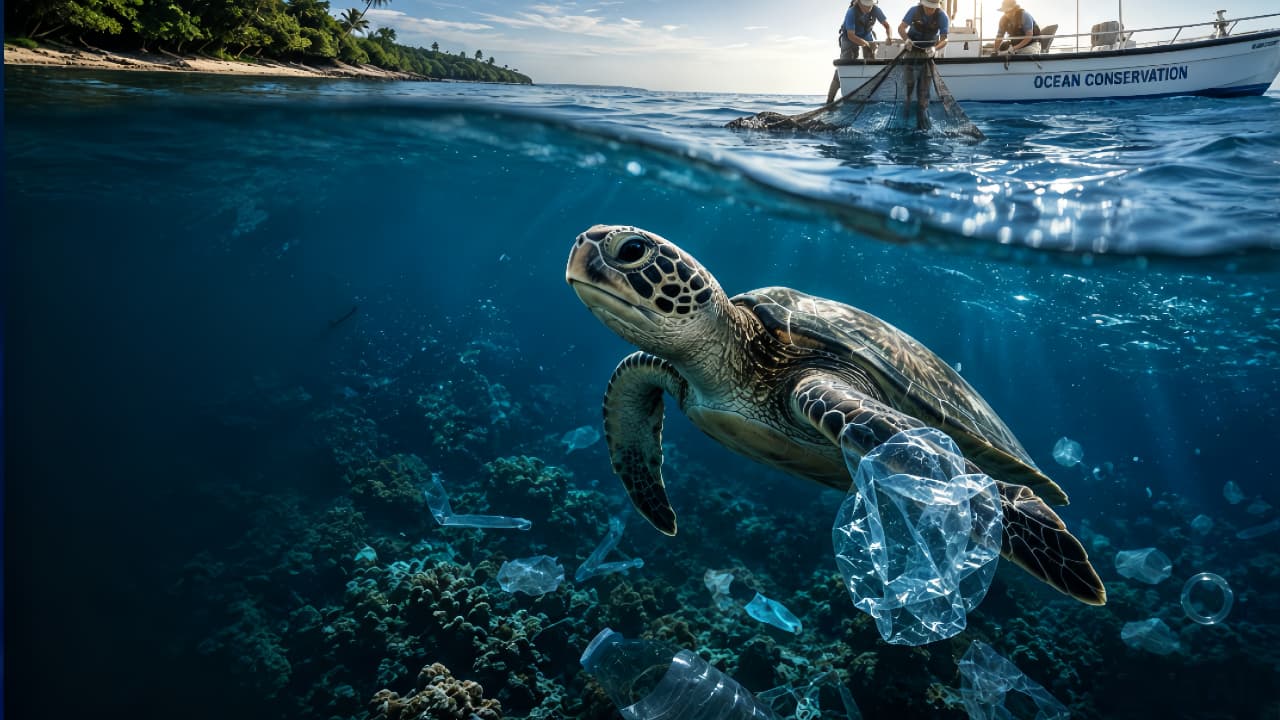
Explore vibrant marine habitats across the planet, from coral reefs to open blue waters teeming with life.
JOURNEY THROUGH
IN A DROP OF WATER
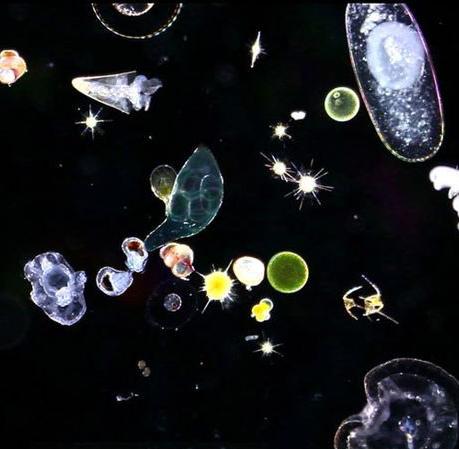
Invisible creatures that are the foundation of all life in the ocean.
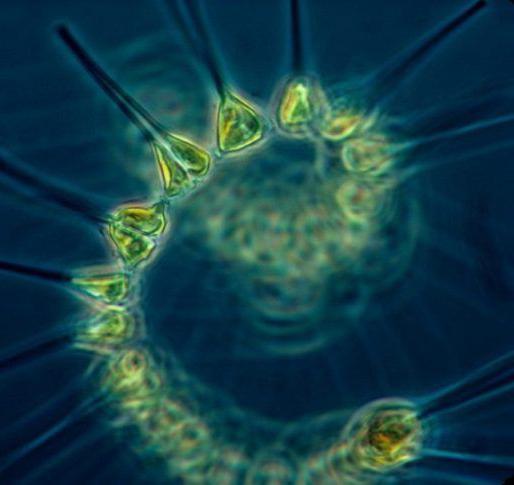
They produce 50-70% of the Earth's oxygen. They carry out photosynthesis like land plants, serving as the primary food source in the marine food chain.
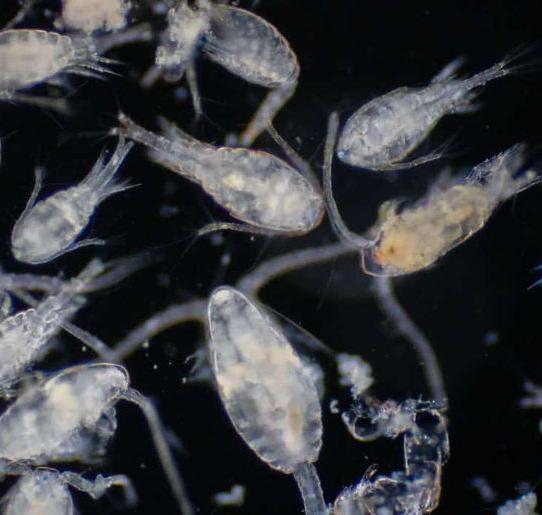
Microscopic animals that feed on phytoplankton, serving as the primary food source for small fish, jellyfish, and even giant whales.
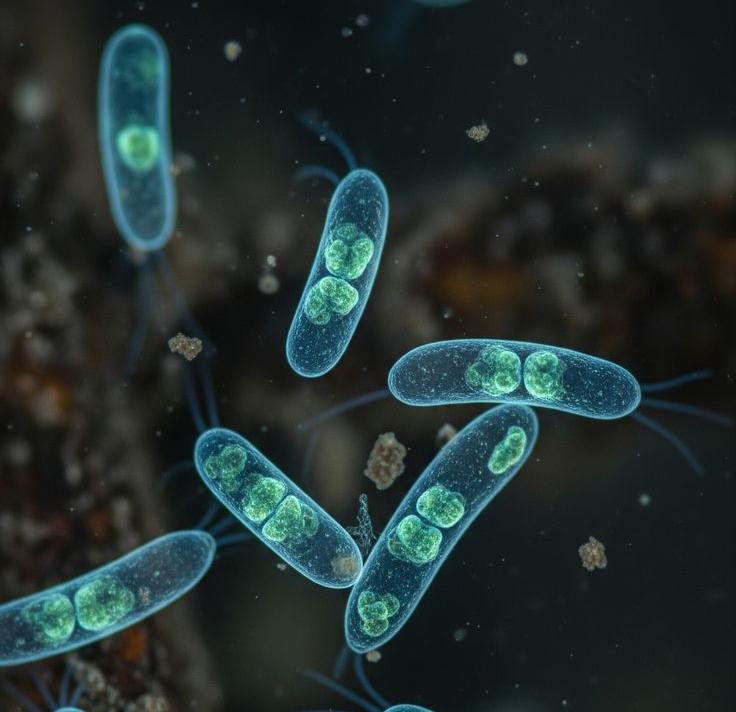
They decompose the remains of living organisms and return nutrients to the water. Some can survive without sunlight using chemical energy.
Surviving high pressures, boiling temperatures, or acidic water, it is key to pharmaceutical research and new technologies.
Energy moves from one living creature to another in the marine ecosystem.
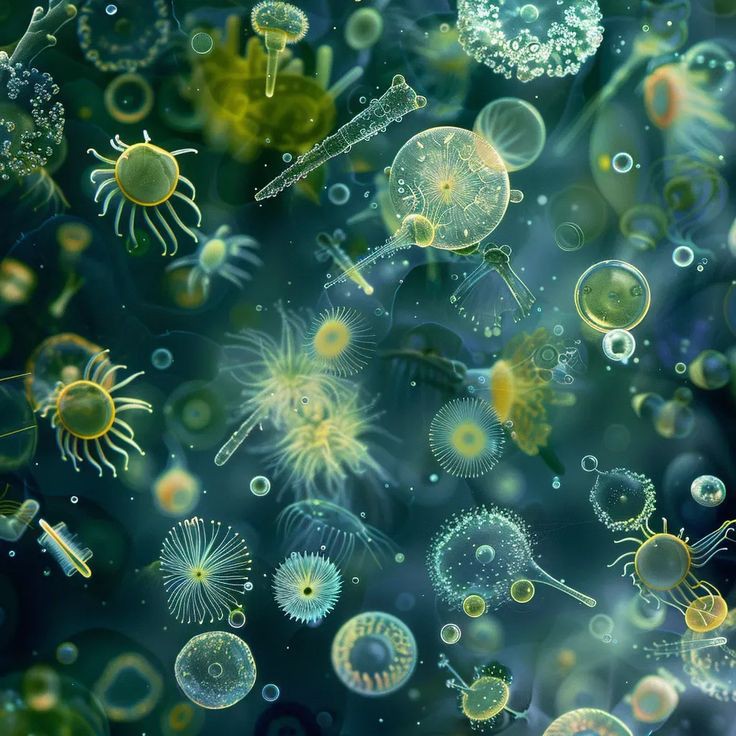
Phytoplankton & Algae
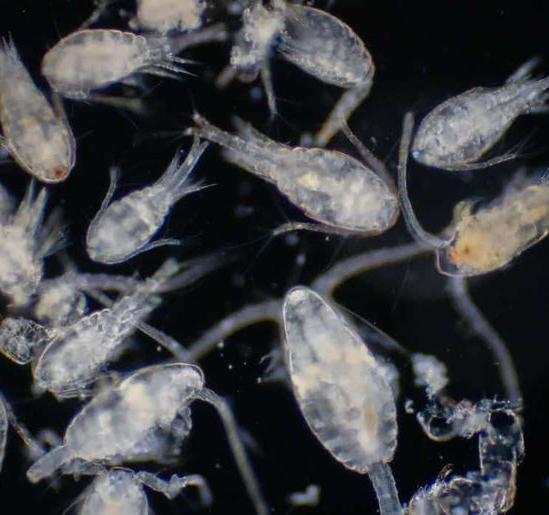
Zooplankton
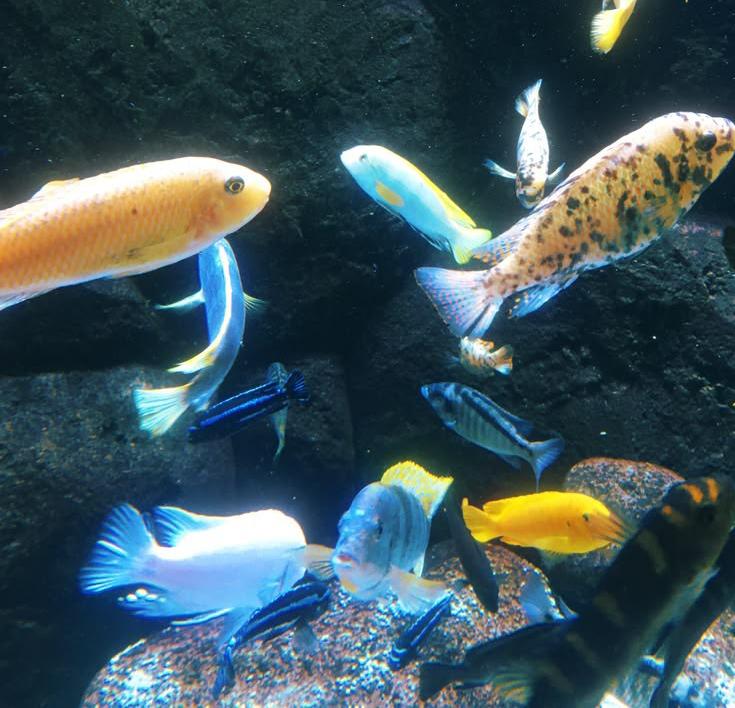
Small Fish
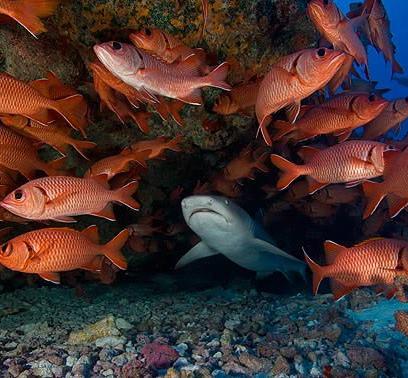
Medium Predator Fish
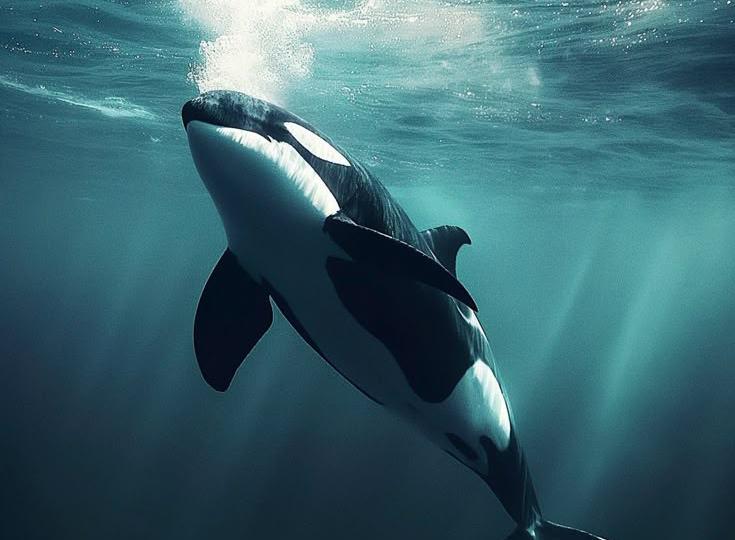
Sharks / Orca
Mauna Kea is taller than Everest when measured from the seabed.
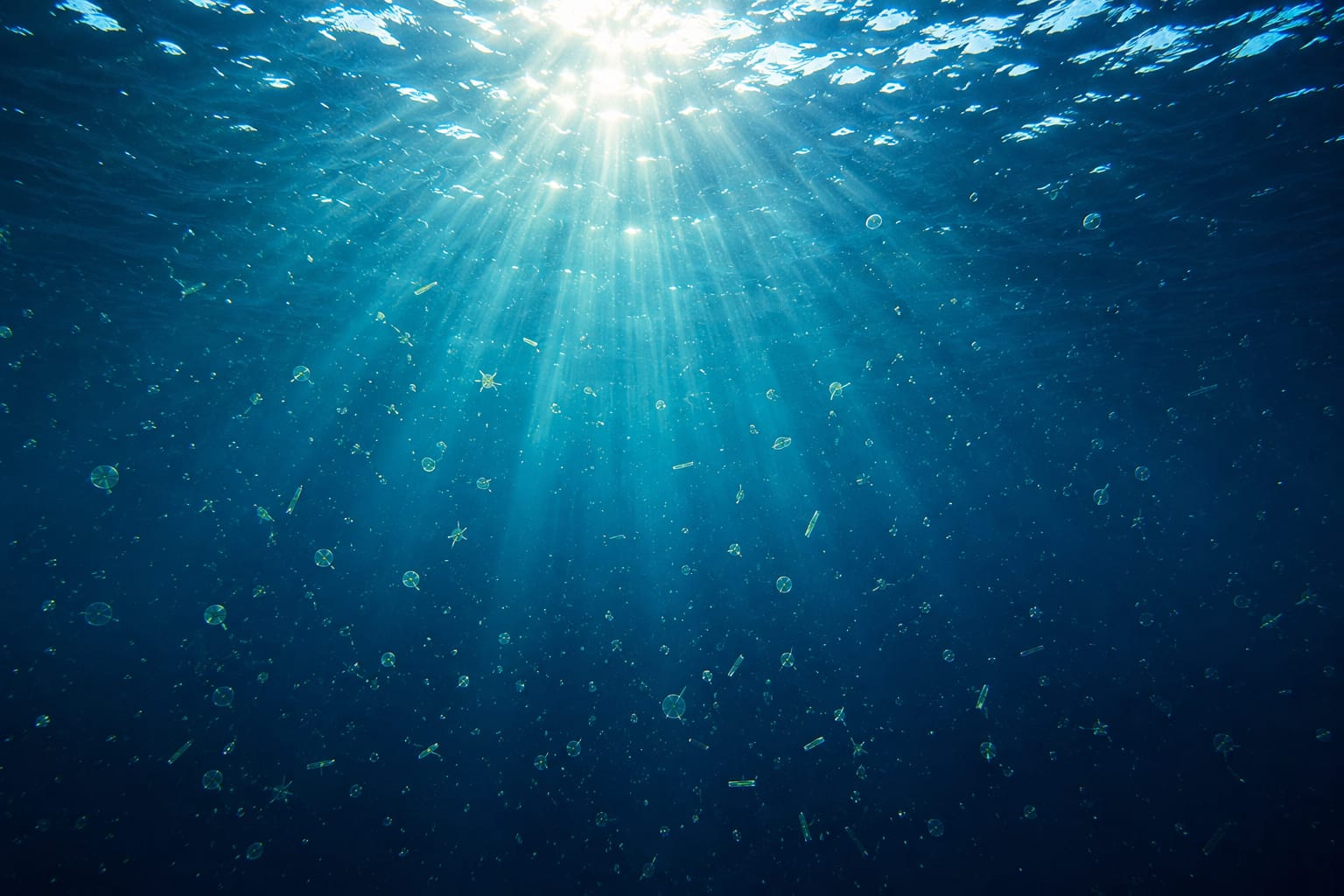
The ocean produces most of the earth's oxygen.
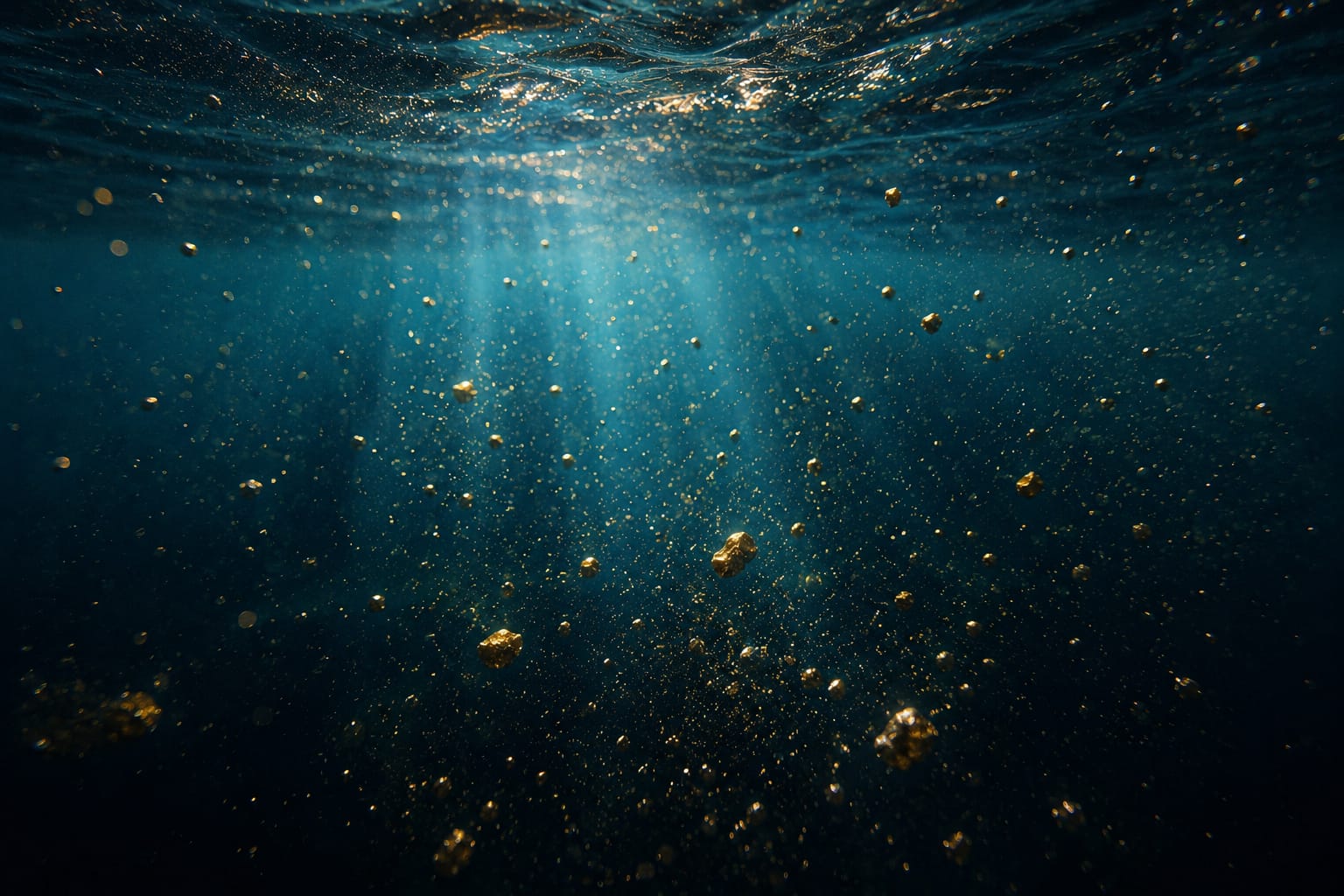
It is estimated that there are millions of tons of gold in the ocean.
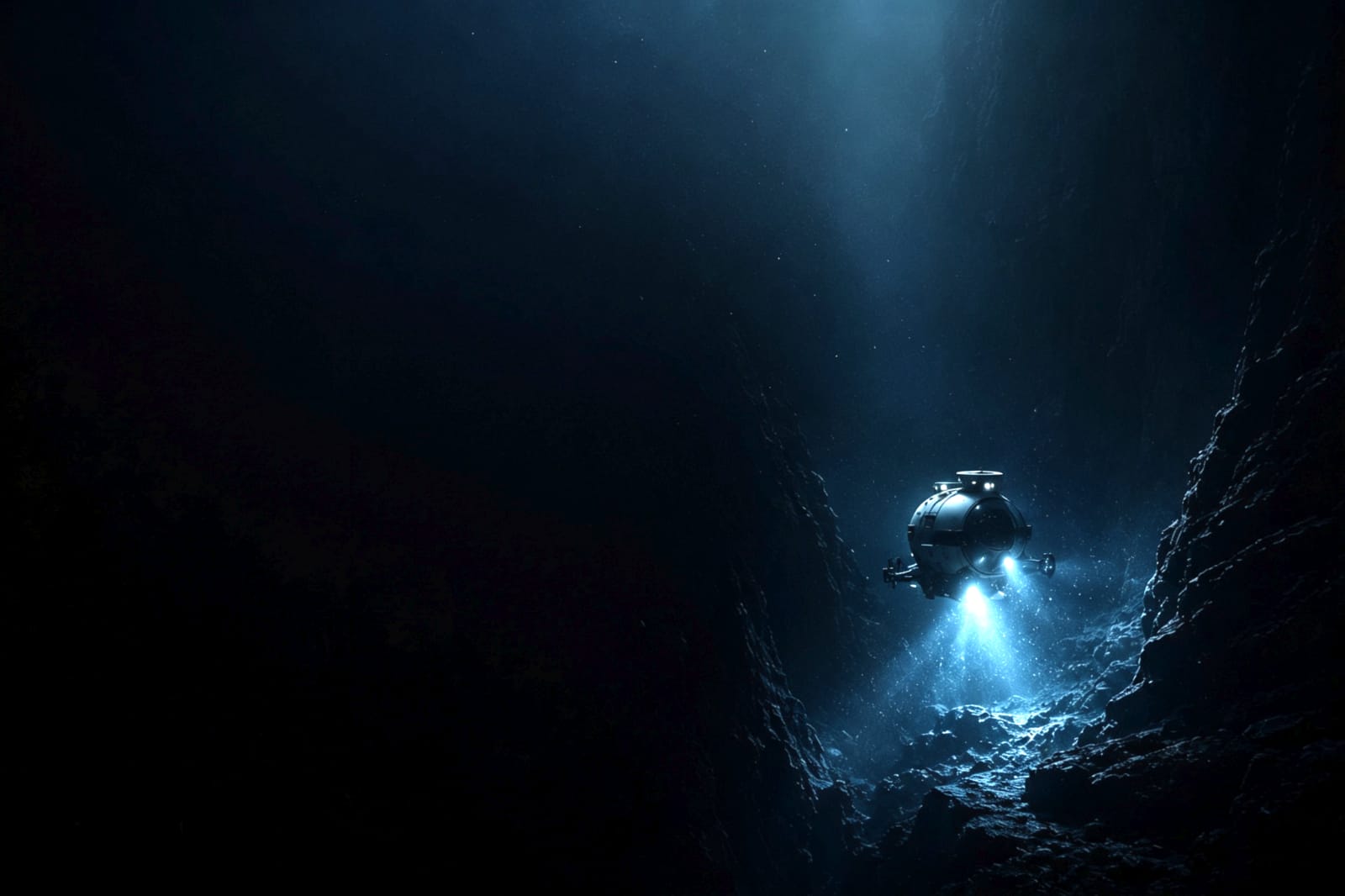
We know more about outer space than the ocean floor.
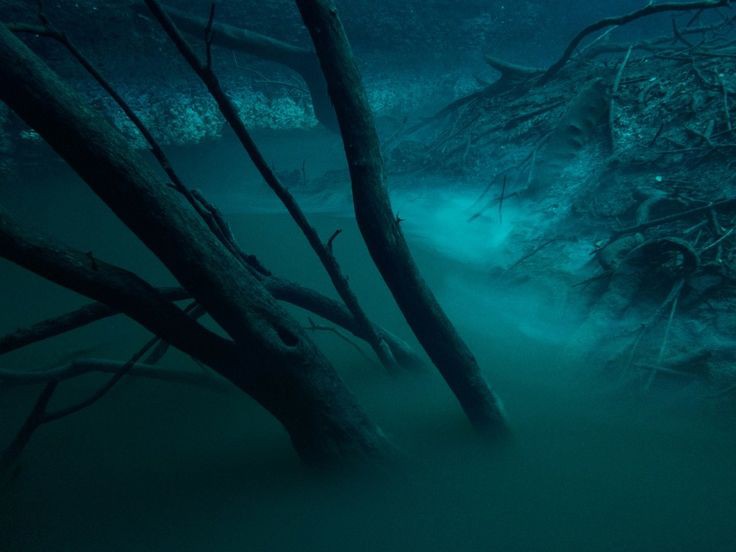
Rivers and lakes can form on the seabed.
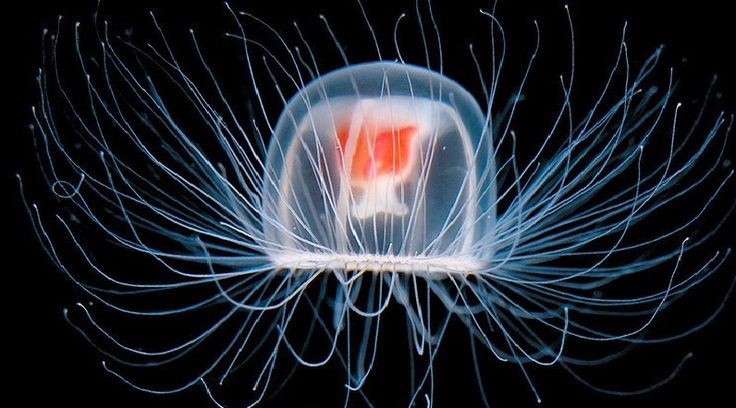
Turritopsis dohrnii can return to its juvenile phase.
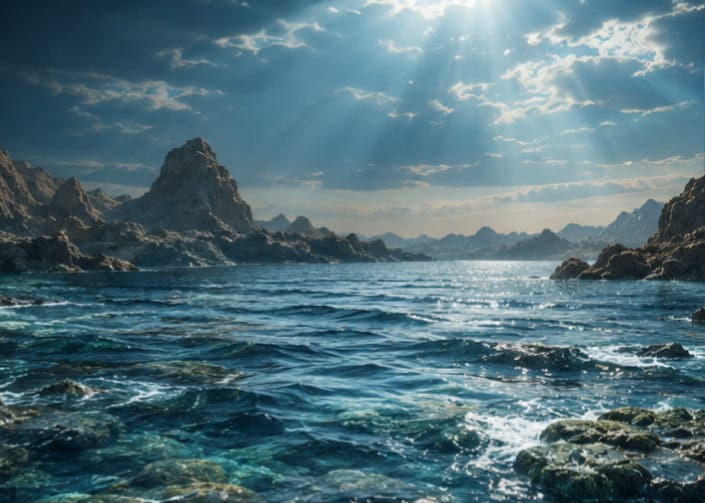
Some deep sea water is thousands of years old.
Exploring the most unique and mysterious marine phenomena that still hold many secrets in the depths of the ocean.
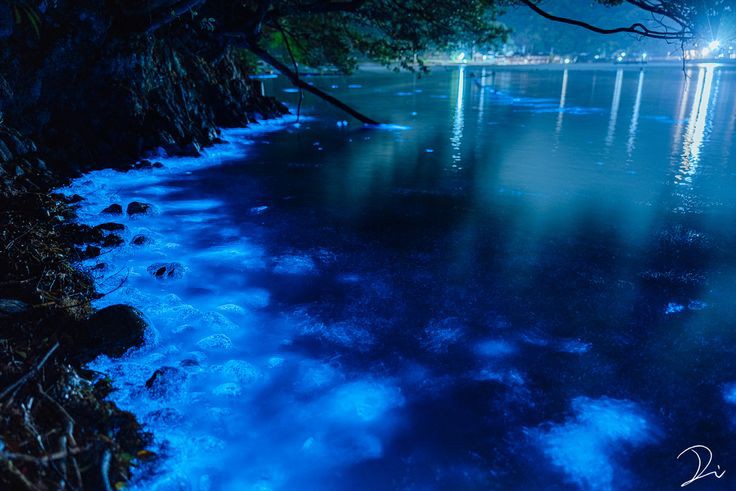
The ability of living things to produce natural light through chemical reactions in their bodies.
Many deep sea creatures can produce their own light.
Blue is the most common color because it can penetrate sea water further.
Used for hunting, communicating, and avoiding predators
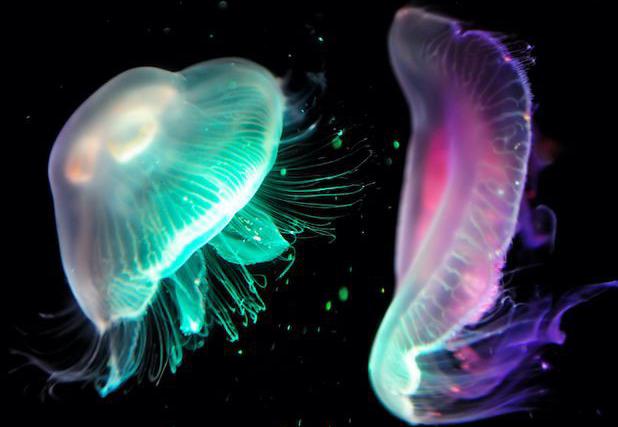
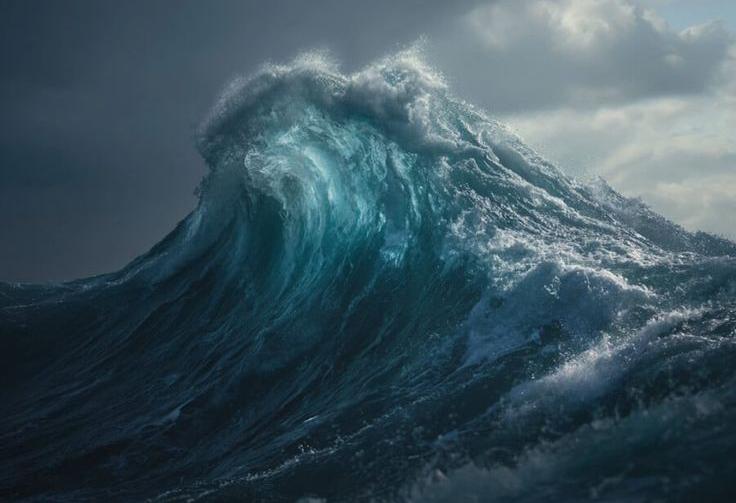
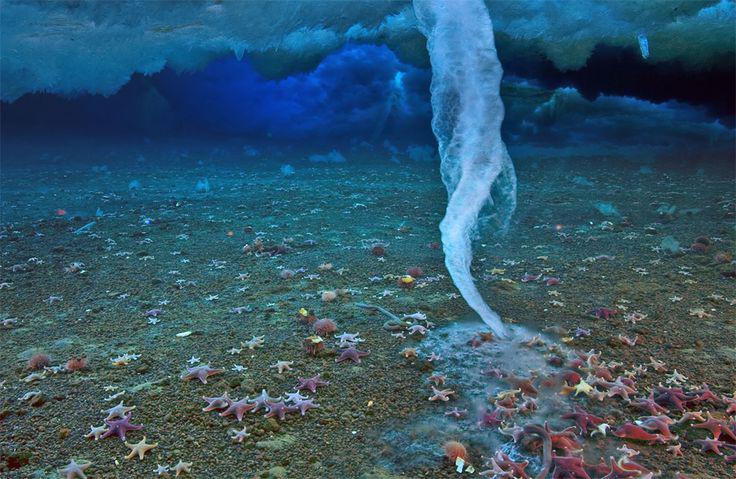
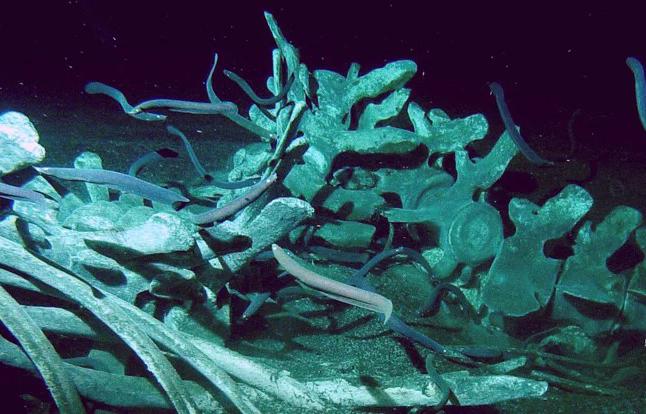
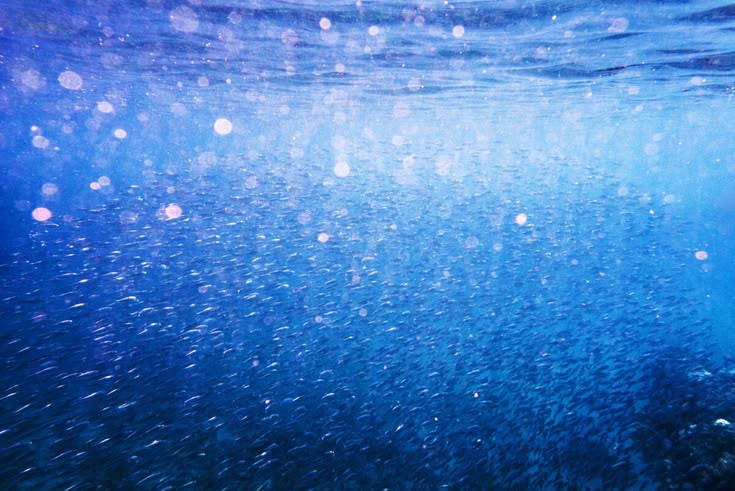
Get to know sea creatures and their role in the ecosystem
From raising awareness to taking action, discover how the global community is restoring marine ecosystems and protecting marine life.
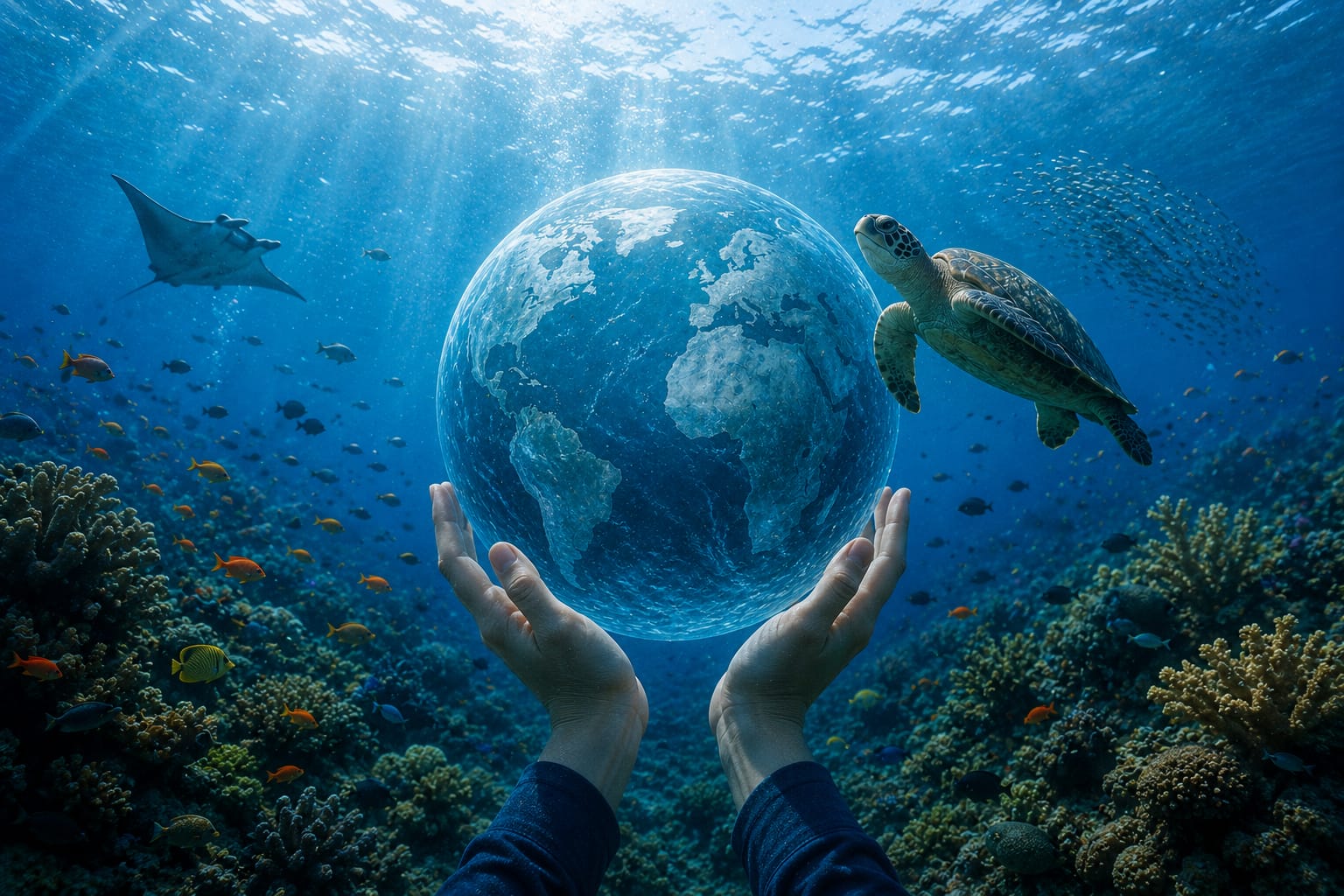
We educate the public about marine pollution and the importance of preserving marine biodiversity.
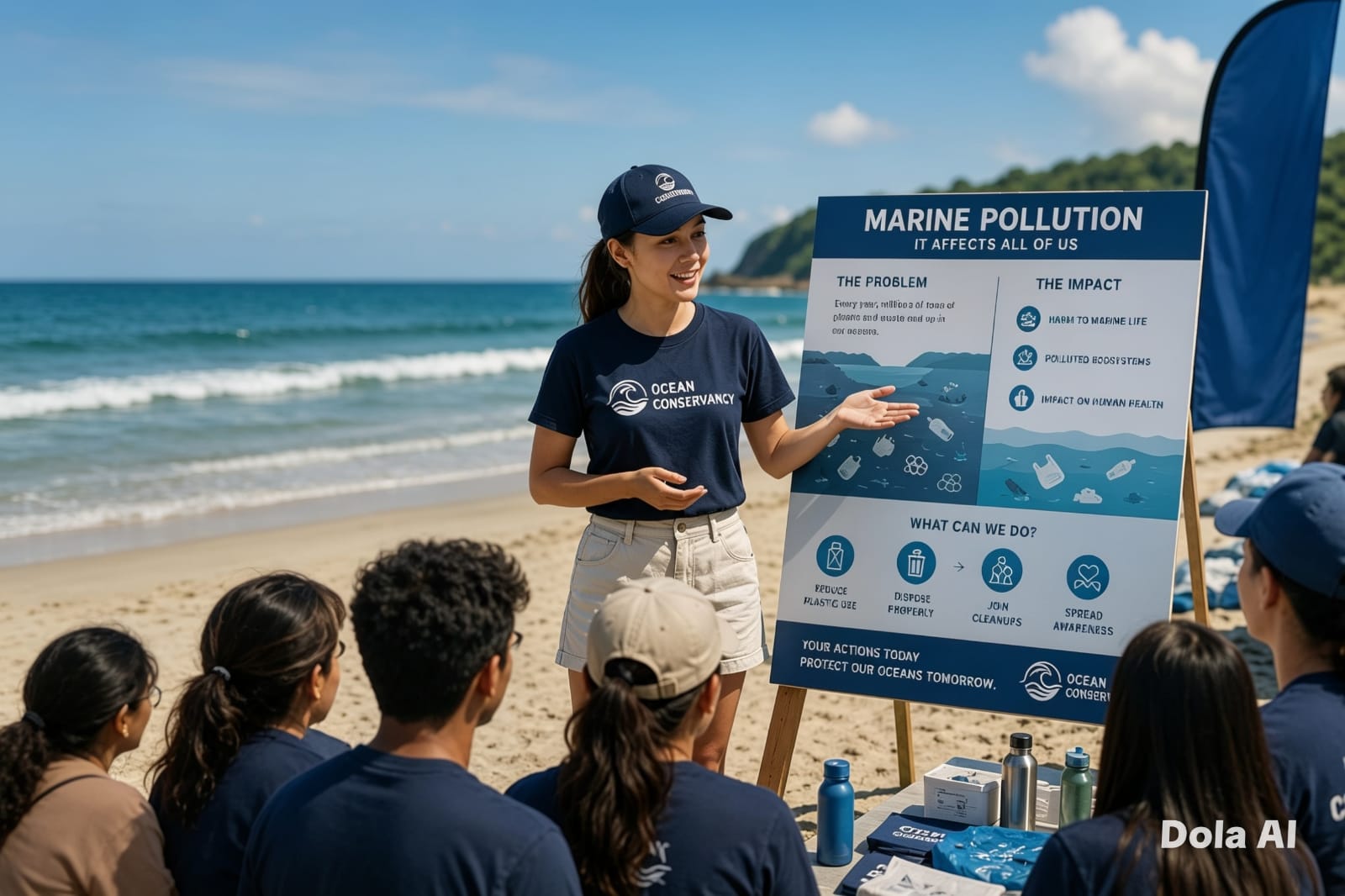
We educate the public about marine pollution and the importance of preserving marine biodiversity.
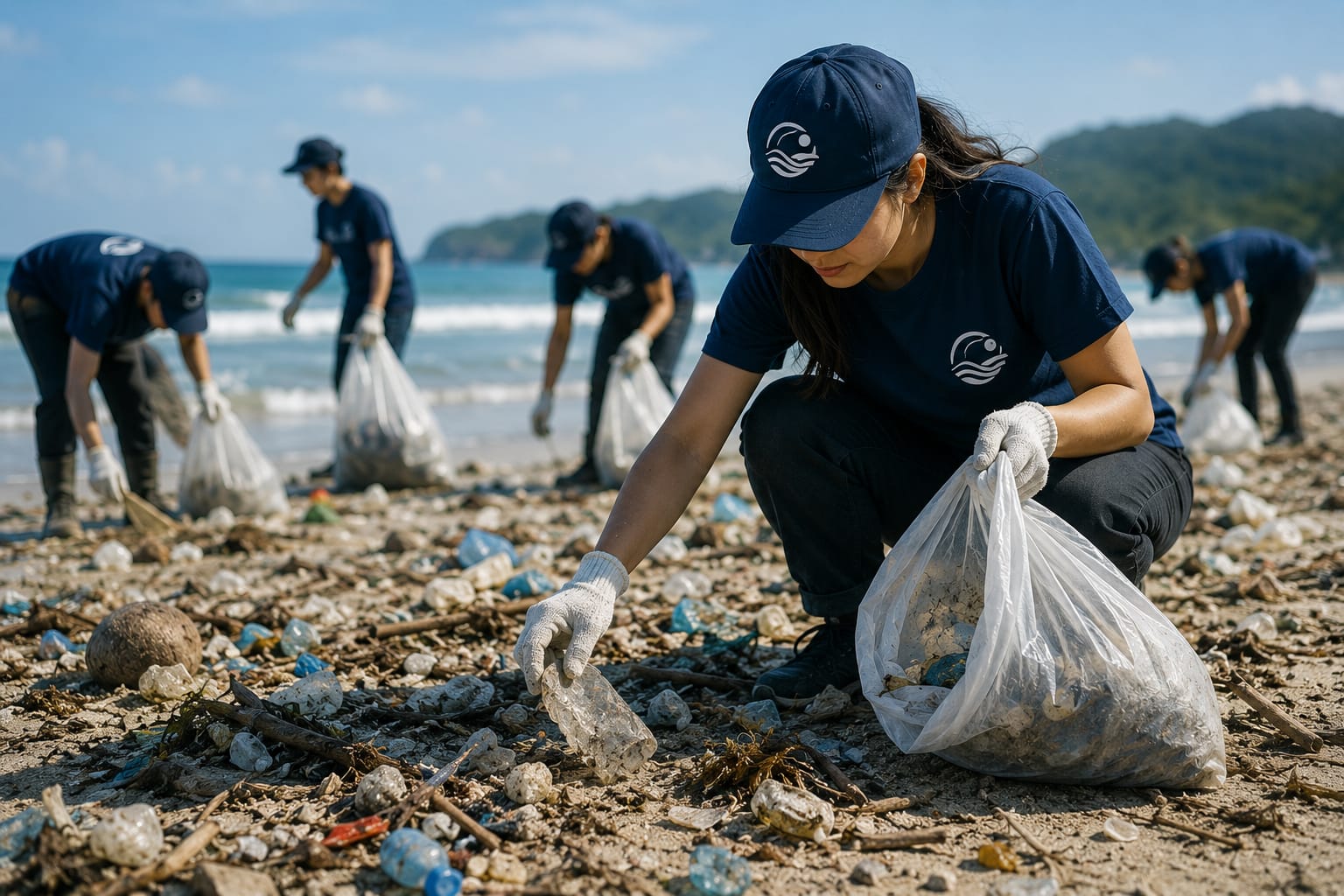
Global cleanup programs have removed millions of tons of plastic waste from coastlines and marine habitats.
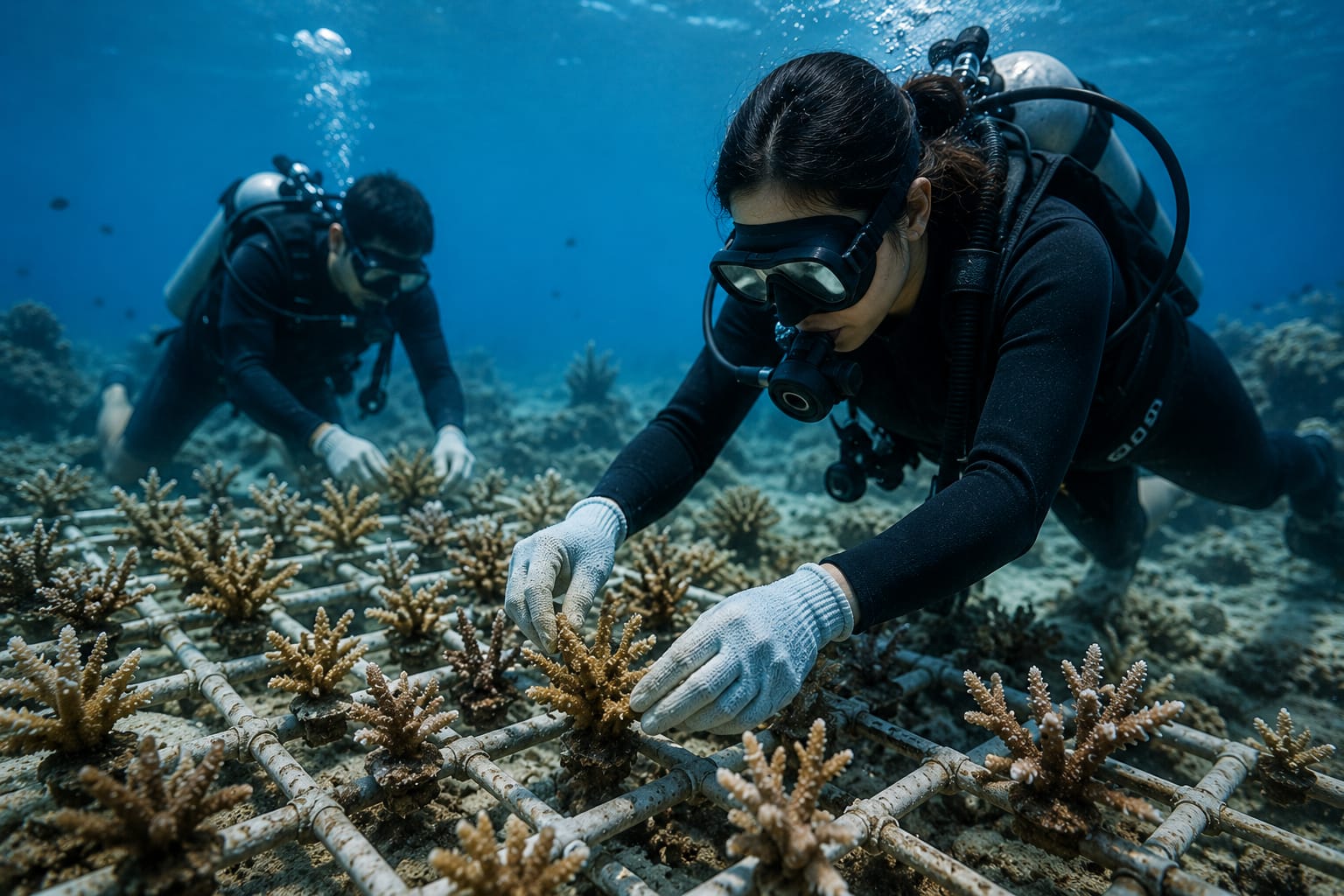
Coral reef restoration projects help damaged marine ecosystems recover and support marine biodiversity.
Protected marine zones are continuously being expanded to ensure a healthier future for future generations.
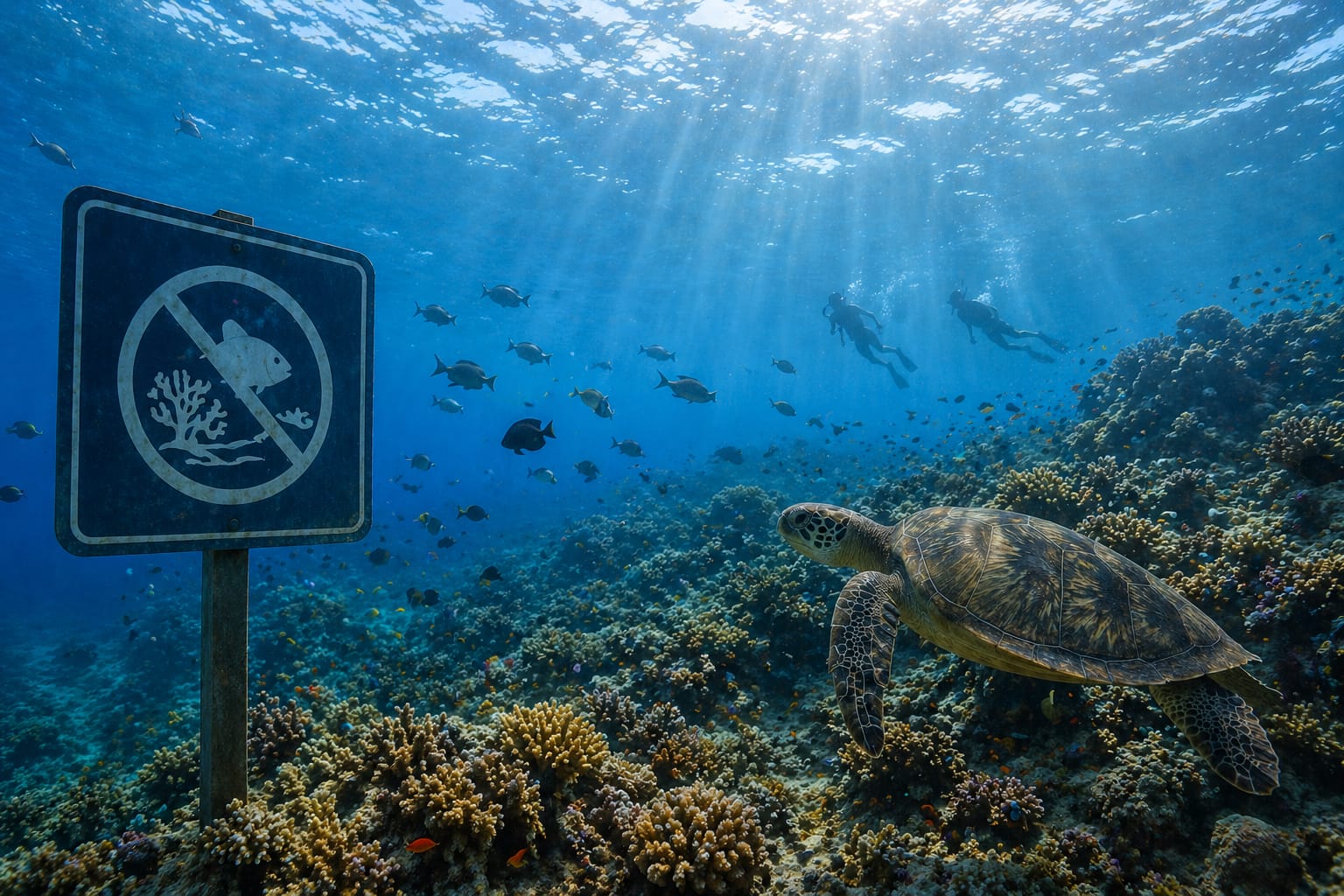
The ocean connects us all. Protecting it today, secures our tomorrow.